Specializing in making biodegradable plastic bag making machines and stretch hood packing machines about 20 years.
Language
Specializing in making biodegradable plastic bag making machines and stretch hood packing machines about 20 years.
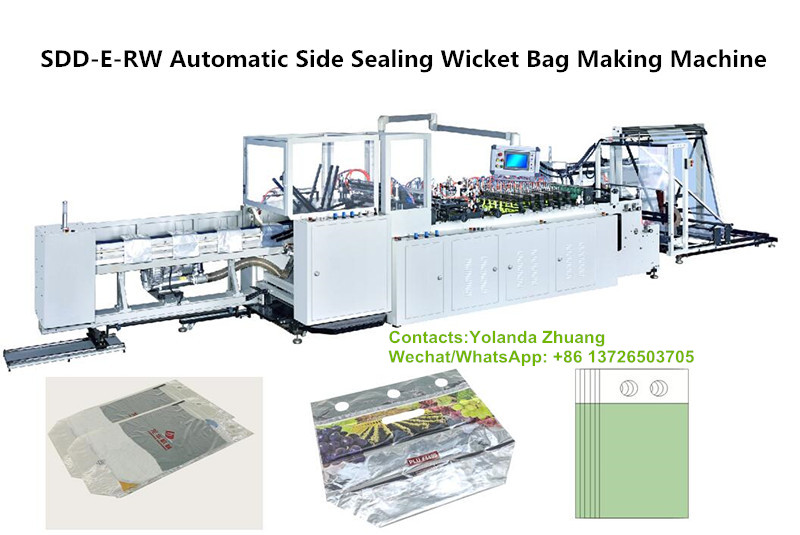
Wicket bag making machines are specialized, high-speed production systems used to manufacture stacked plastic bags held together on a wire frame (wicket).
These bags are designed for use in semi-automated or fully automated packaging lines across various industries, enabling efficient and fast filling processes.
Primary Applications
Wicket bag machines are primarily used for producing bags for high-volume packaging. Common applications include:
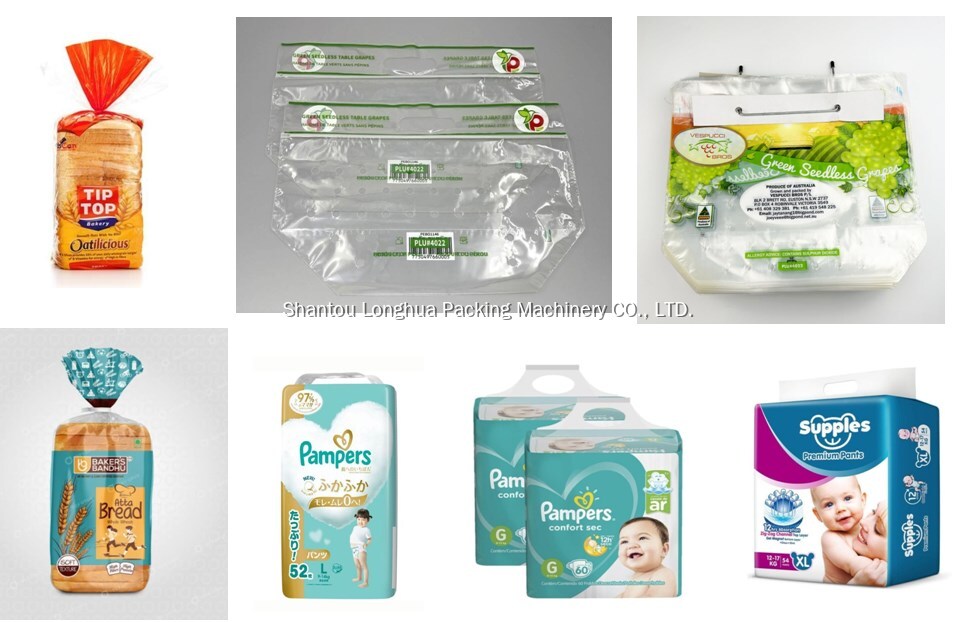
· Bakery and Bread Products: Packaging sliced bread, buns, bagels, and other pastries.
· Hygiene and Personal Care Products: Used for items like diapers and sanitary napkins.
· Fresh Produce and Food Items: Packaging items such as apples, often using high-clarity materials.
· Apparel and Textiles: Packaging clothing items like T-shirts.
· Frozen/Chilled Goods: Producing durable bags for poultry and other frozen foods.
· Specialized Bags: With add-on attachments, these machines can produce bags with features like zippers or sliders, courier bags, and bags with unique bottom designs.
Machine Function and Benefits
The key advantage of wicket bag making machines is their integration with packaging lines, allowing bags to be loaded directly onto filling equipment.
· Automated Filling: The bags, held on wickets, are fed into a system where a blower opens each bag for rapid product insertion.
· High Speed and Efficiency: Designed for fast operation, these machines can produce hundreds of bags per minute and facilitate efficient "tear-away" detachment of filled bags.
For more details on wicketed bagging systems, you can refer to information provided by manufacturers like JMC Packaging on their applications and system integration.
LONGHUA MAHICNERY was founded in 2003 and covers an area of 15,000m² equipped with professional processing equipments. We are professional in designing & manufacturing T-shirt bag making machine, bottom sealing bag making machine.

